

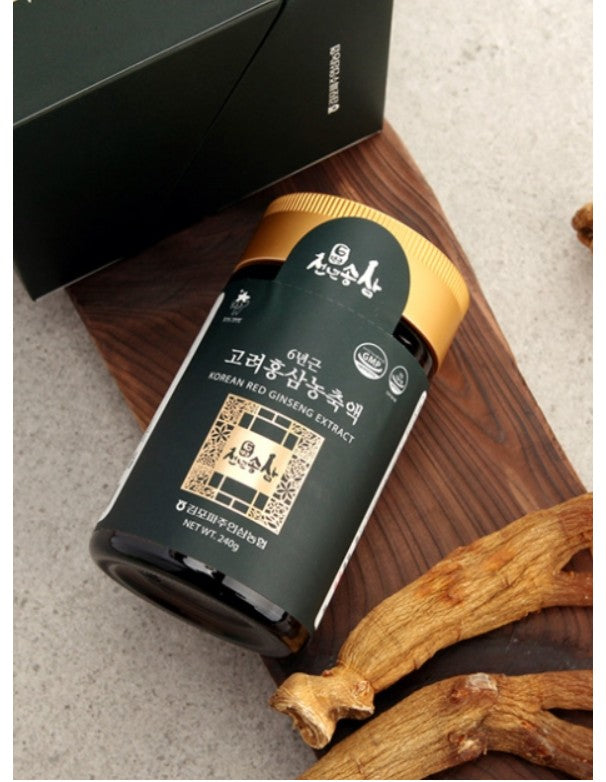

Grown in the DMZ (Demilitarized Zone between North & South Korea)An unpolluted, pristine area 6 Year Korean Red Ginseng 100% 240g
6 Year Korean Red Ginseng Extract 240g
from the Demilitarized Zone- Untouched, un polluted pristine area
One of the rarest and purest ginsengs in the world — grown in soil untouched by human activity for over 70 years.
100% pure extract · 6-year-old root · 5 mg ginsenosides/g ·
Why this ginseng?
Purity Unmatched Elsewhere
70+ Years Free from Pollution
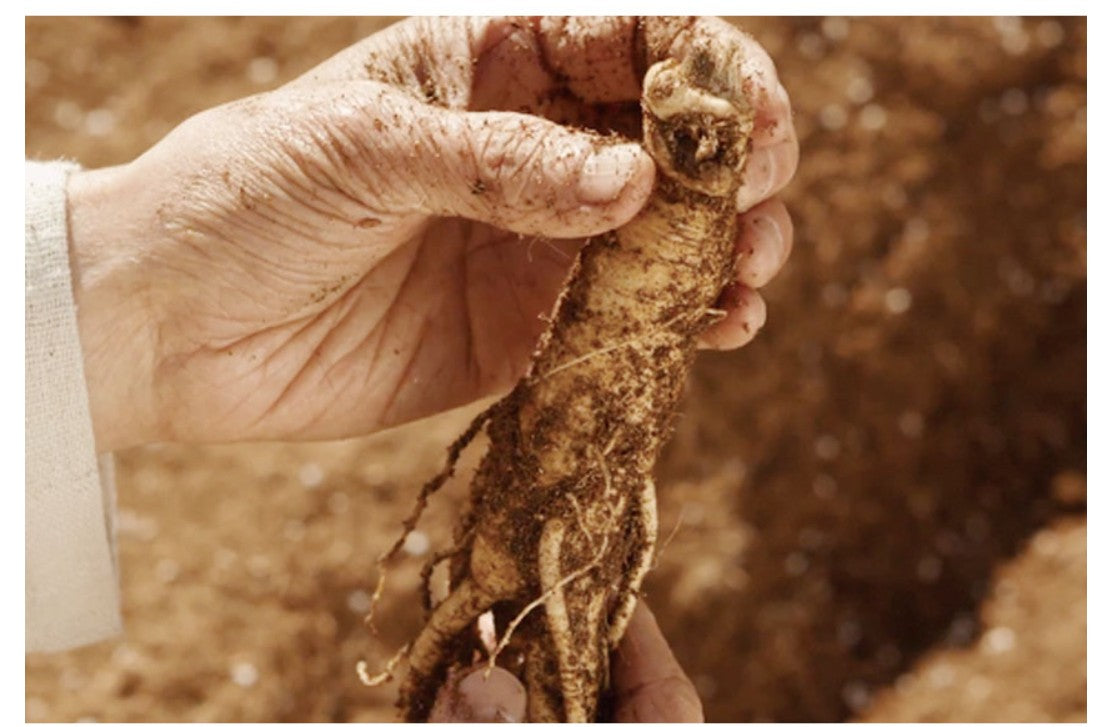
Since 1953, the soil in the DMZ has remained untouched by industry, pesticides, or agricultural chemicals. Here, nature has regenerated entirely on its own.
A Full 6 Years in the Ground
Ginseng harvested before the 6-year mark lacks sufficient potency. This root has matured for exactly the duration required by both tradition and science.
Exceptional Concentration
5 mg of ginsenosides per gram of extract—the active compounds responsible for ginseng’s benefits. No fillers, no additives.
The Historic Soil of Gimpo-Paju
The Paju region is a traditional hub for ginseng cultivation; historically, ginseng from this area was presented to Korean kings as "Jangdan Sambaek."
100% Ginseng
No additives, no dilution. Pure red ginseng extract—what you see on the label is exactly what you get.
Red = Most Potent
Red ginseng is created by heat-treating white ginseng, resulting in higher bioavailability and a richer profile of ginsenosides.
Composition and Specifications
What’s Inside the Jar
6 Years
Age of the root at harvest
100%
Pure ginseng, no additives
5 mg/g
Ginsenosides per gram
120 g
Net weight
2 g
Recommended daily dose
70+
Years of soil purity in the DMZ
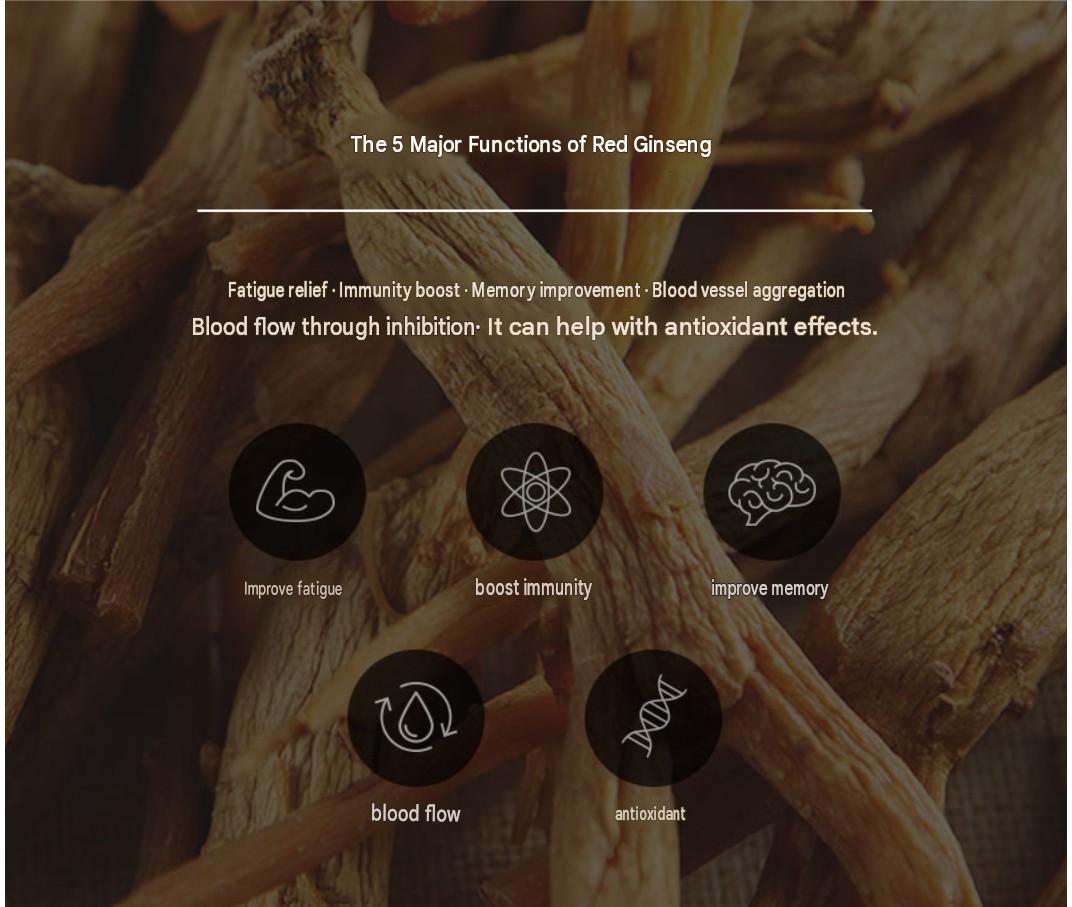
Benefits of Ginseng
Facts About the DMZ — The Demilitarized Zone
The Demilitarized Zone (DMZ) separating North and South Korea is one of the most remarkable places on Earth. What began as a symbol of division has become an accidental natural paradise—and home to one of the world’s rarest types of ginseng.
A strip of land 250 km long and 4 km wide
The DMZ stretches across the entire Korean Peninsula. It was established in 1953 following the armistice that ended the Korean War—technically speaking, the two Koreas remain in a state of armistice rather than peace.
An accidental natural paradise
Strict military control has prevented agriculture, construction, and industrial development. Forests have regenerated and wetlands have returned; today, scientists refer to the DMZ as an "ecological corridor" connecting the mountains in the east to the river estuaries in the west.
Over 6,000 species of flora and fauna
South Korea’s National Institute of Ecology has recorded nearly 6,000 species here, including 47 types of mammals and 277 species of birds. The area is home to 38% of all endangered species in South Korea, including the rare red-crowned crane.
Land that once nourished Korean kings
The Paju-Gimpo region is historically renowned as the source of "Jangdan Sambaek"—rice, beans, and ginseng from this area were prized for their exceptional quality and supplied directly to the Korean royal court. 🌾
Ginseng Under Military Escort
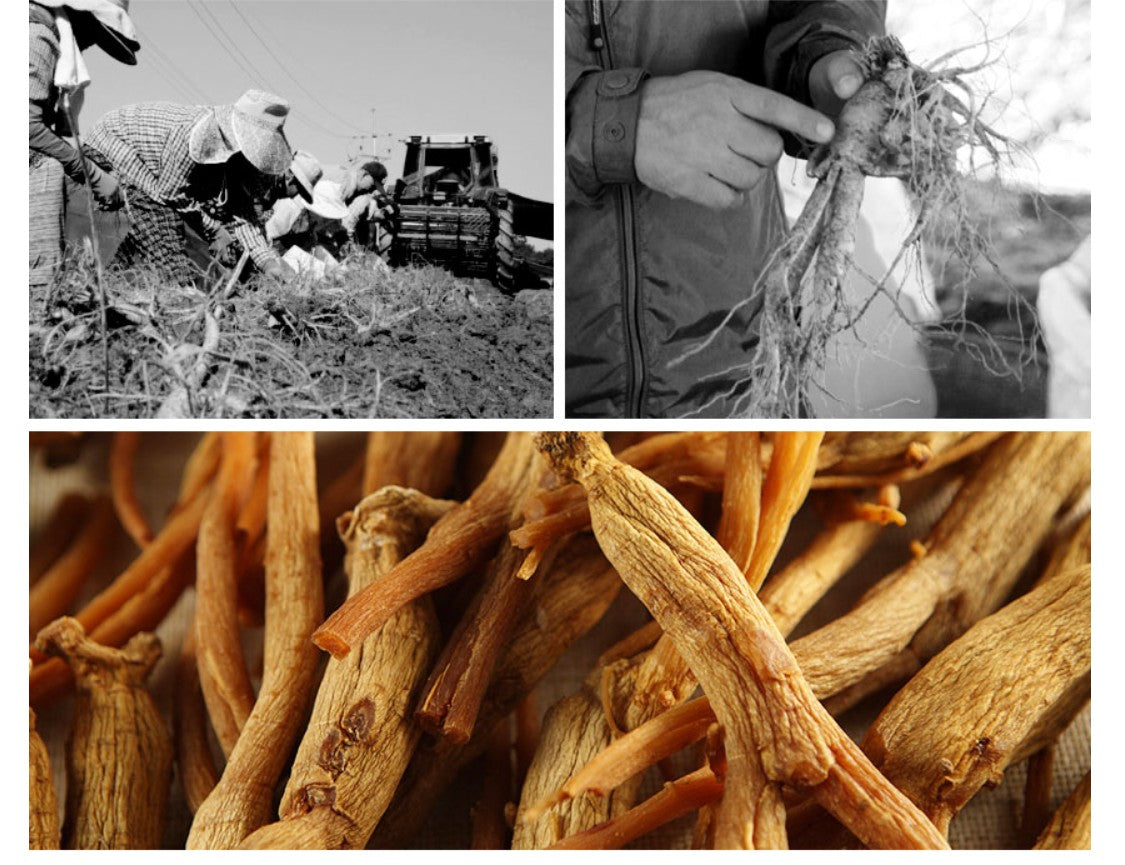
Approximately 200 people live in the "Freedom Village" (Daeseong-dong), located within the DMZ itself. Here, farmers cultivate rice and ginseng—under military supervision. The soil of the DMZ is considered the best for growing ginseng in all of Korea.
The World’s Most Heavily Fortified Border—Yet a Paradise
The DMZ paradox: the most guarded border on the planet has become an unintentional ecological sanctuary. Landmines and barbed wire, which kept humans out, allowed nature to flourish in a way unmatched elsewhere in Asia.
Grown in the DMZ (Demilitarized Zone between North & South Korea)An unpolluted, pristine area 6 Year Korean Red Ginseng 100% 240g
Sale price$187.49
Choose options